
Cytus II
RAYARKMusic
4.15.55K Reviews
- Version
- 5.2.17
- Installs
- 1.00M
- Age Rating
- Teen
Screenshots
Our Review of Cytus II
 Analysis by Appyee
I judge a rhythm game by two things: whether its music makes me want to replay a chart, and whether the world around that music gives me a reason to stay. Cytus II aims for both. It pairs precise tapping with a futuristic setting and character-led stories, so it feels less like a bare song list and more like stepping into a stylized music scene. That combination is its clearest appeal, though it also means players who want nothing but a quick, uncomplicated score chase may find the presentation a little involved.
A first impression shaped by style
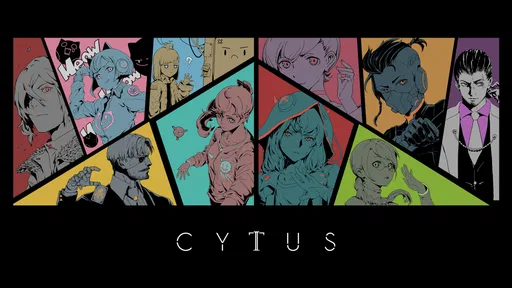
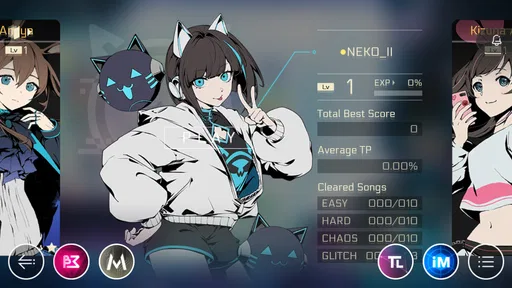
From the opening stretch, the game presents music as part of its fictional world rather than as a menu of unrelated tracks. The interface and character artwork lean into a sleek, anime-influenced cyberpunk look, while the story gives the setting a sense of activity beyond the charts. I like that framing: choosing a song can feel like following a character’s thread instead of simply picking the next item in a playlist.
The narrative centers on a virtual city and a famous DJ whose performances draw attention. As the experience opens up, different characters bring their own tracks and stories into view. That structure gives the music a context, but it also sets an expectation: if you are impatient with dialogue or prefer to jump straight into play, some of the surrounding material may feel like a detour. I found the strongest reason to stay is the way the game connects its atmosphere to the act of playing, not the promise of a story that everyone will necessarily want to follow.
RAYARK is the developer behind this music game, and its visual direction makes the setting easy to recognize from one screen to the next. The presentation is polished and deliberate, but it is not neutral decoration. The futuristic tone colors how the songs and characters come across, and that can be a real draw if you enjoy games with a distinct mood. If you prefer a plain interface that puts charts first and keeps fiction in the background, a more stripped-down rhythm title may suit you better.
The World of Cytus II
Set in a futuristic, cybernetic universe, Cytus II takes you on an adventure that’s more than just tapping to the beat. The game is a sequel to the original Cytus, and it sure lives up to the hype. You’re introduced to a virtual world where music is the universal language, and every beat tells a story. The game kicks off with a captivating storyline about a famous DJ named Æsir, who draws massive crowds with his music in the virtual city of Cytus.
As you progress, you unlock different characters, each with their unique music tracks and stories. The game does a fantastic job of weaving narrative elements with rhythm gameplay, making it much more immersive than your typical music game.
How the setting works in practice
The character-centered structure is useful when I want a change of tone without leaving the game. Instead of treating every track as interchangeable, it gives me a reason to browse around and see what a different character’s material feels like. That is a small but meaningful distinction from many rhythm games built mainly around a large list of songs: here, the world and the music are meant to be experienced together.
It is also a trade-off. A player who wants to open the game, choose a familiar track, and immediately repeat it may prefer a title with less narrative framing. I would approach Cytus II as a game to explore in short sessions rather than as a utility for instantly launching any song. When I have a few minutes to spare, I can play a chart; when I have more time, I can follow the setting and characters alongside the music.
Sound and rhythm, not just atmosphere
The sound is the reason the cybernetic setting works as more than a visual theme. Tracks span several styles, including electronic, pop, classical, and rock, so the mood changes considerably from one selection to another. That variety helps prevent the world from feeling locked to one sound, and it gives players room to discover what they enjoy rather than assuming every chart will suit the same taste.
For focused play, I recommend using headphones and choosing a quiet moment when possible. The rhythm cues and the movement of the scan line are easier to follow when outside noise is not competing for attention. That does not mean every session needs to be treated like practice: a quick round while waiting for something can still be enjoyable. But if I am trying to improve my timing or tackle a demanding chart, a calmer setting makes the experience more satisfying.
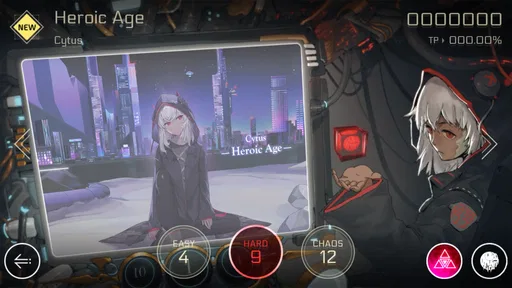
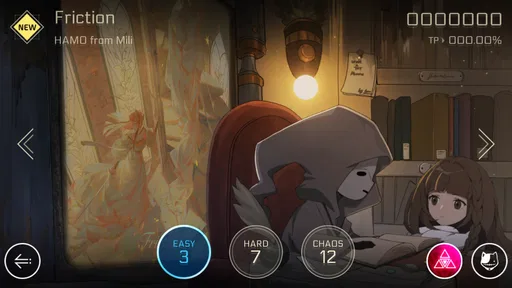
The practical question is whether it works as a casual music game or asks for serious practice. I think it can serve both, because the game offers multiple difficulty levels. I can begin with a chart that feels manageable, learn how its patterns sit against the beat, and move up when I am ready. The useful habit is to repeat a song after a short break rather than immediately pushing through a string of misses; the scan-line rhythm becomes easier to read when I am listening instead of reacting in a panic.
Gameplay Mechanics
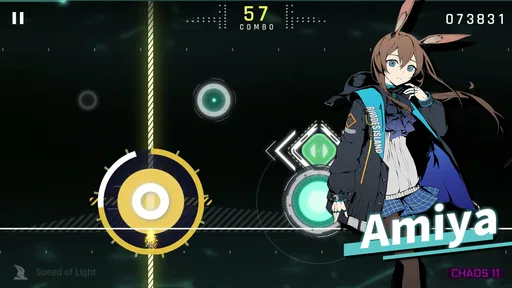
Alright, let’s talk about the real star of the show: the gameplay. Cytus II challenges you with its "Active Scan Line System," where you tap notes as they intersect with a moving line. Sounds simple, right? But trust me, when the beat drops, it gets intense. The game offers multiple difficulty levels, so whether you’re a casual player or a seasoned rhythm game veteran, there's something for everyone.
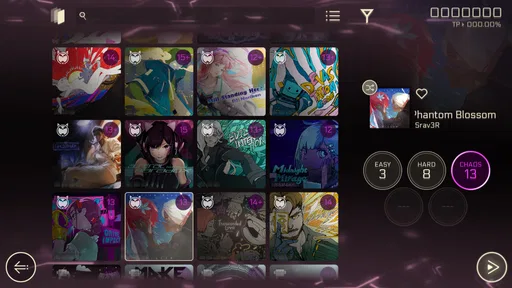
The timing mechanics are spot on, and the touch response is incredibly smooth, which is crucial for any rhythm game. It’s like the developers really understood the essence of what makes music games enjoyable and executed it flawlessly. The variety of songs is vast, ranging from electronic and pop to classical and rock, ensuring you never get bored.
Making the mechanics feel fair
The moving line gives the charts a distinct visual rhythm: I am not only watching for notes, but also learning to anticipate when the line will meet them. That makes the game feel different from the familiar lane-based format used by many music titles. It can be satisfying once the motion clicks, though a player accustomed to fixed lanes may need a little time to adjust. I would use easier settings to learn the visual language before deciding whether the higher-pressure charts feel comfortable.
A useful approach is to treat a difficult song as a listening exercise first. Rather than chasing a perfect run on the first attempt, I focus on the beat, notice where the chart becomes busy, and then replay with a narrower goal: staying accurate through one tricky passage. That makes practice feel less like repeating failure and more like learning the shape of a track. The same method also helps when a song sounds unfamiliar; I can build confidence before raising the challenge.
On a typical commute or during a break, I would choose a chart I already know rather than trying to absorb a new story and master a difficult pattern at the same time. At home, with headphones and a few uninterrupted minutes, I would explore unfamiliar tracks and adjust the difficulty to match my focus. This distinction matters because Cytus II can be both a quick play and a more deliberate rhythm session, but the second experience benefits from a quieter setting and a little patience.
Visuals and Soundtrack
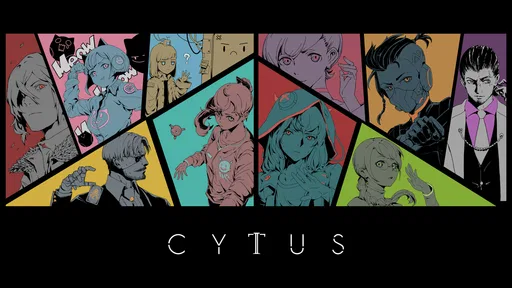
If there’s one thing that sets Cytus II apart from other rhythm games, it’s the stunning visuals and killer soundtrack. The art style is a beautiful blend of anime and cyberpunk, which complements the game's futuristic theme. Each character and their respective tracks come with unique visual designs that enhance the overall aesthetic.
The soundtrack, oh boy! It includes over 100 songs from various artists around the world. The music is not just background noise; it's the heartbeat of the game. Every track feels meticulously crafted to match the theme and difficulty, making the gameplay experience incredibly rewarding.
Choosing it over other music games
Compared with a straightforward rhythm game that emphasizes a song library and score screens, this one puts more weight on presentation, characters, and the feeling of entering a fictional music culture. Compared with a music app, of course, it is built around interacting with the beat rather than simply listening. That distinction makes it a better fit for someone who wants to play along and improve timing than for someone looking for a passive soundtrack for work or travel.
The best choice depends on what you value. If I want a conventional lane-based challenge or the quickest possible route from launch to a familiar chart, I would look at alternatives with that specific focus. If I want a more cinematic wrapper around rhythm play, Cytus II offers a recognizable identity. Its strongest appeal is not that it replaces every other music game, but that its moving scan line, varied sound, and character-driven world create a particular kind of session.
One practical trade-off is the purchase model. The game costs $1.99, and it also offers in-app purchases priced from $1.99 to $79.99 per item. I would check the available content and decide what I actually want before spending beyond the initial purchase. That matters especially for players who are unsure how often they will return: the core idea may be appealing, but the value of additional purchases depends on how much they enjoy exploring more of the game.
Who will enjoy the journey
I would recommend it to players who like rhythm challenges, appreciate a strong art direction, and enjoy having a setting to explore between songs. It is also a sensible pick for someone who has played other rhythm games and wants a different visual approach to reading notes. Newcomers can start on easier difficulties, while experienced players can pursue tougher charts; the game does not require a single level of commitment from everyone.
I would skip it if you dislike anime-influenced cyberpunk presentation, do not want story elements around your music, or mainly need a game that can be understood and finished in a few seconds at a time. It is also less suitable if you are looking for a passive way to listen to music: the central pleasure comes from responding to the charts. Those are not flaws in the design so much as clear preferences worth considering before paying.
For a realistic everyday routine, I can see myself opening it during a short wait, playing one familiar chart, and closing it without needing to set aside a whole evening. On a quieter day, I might instead spend longer exploring the character material and trying songs that are outside my usual taste. Keeping those two modes separate helps: quick sessions are for the music and timing, while longer ones give the setting room to breathe.
Community and Updates
One of the things I appreciate about Cytus II is its active community. There’s always something new happening, whether it's fan art, competitions, or just sharing high scores with friends. The developers, Rayark International Limited, are also great at pushing regular updates with new songs and features, which keeps the game fresh and exciting.
They have a knack for listening to player feedback, which is probably why the game has maintained such a loyal fanbase. It's not just a game you play; it's a community you become a part of.
What to know before starting
The current version is 5.2.12, and it requires Android 5.0 or later. Its age rating is Teen, so it is not aimed at the youngest players. On the store, it has a 4.1 average from around 136,000 ratings, with more than 5,000 written reviews and over one million installs. Those figures suggest that it has found a substantial audience, but they do not settle the personal question that matters most: whether its particular blend of story, visuals, and timing feels right to you.
If you are deciding whether the game is for you, I would start by asking what you want from a music title. Do you want a score-focused challenge, a fictional world to explore, or a mix? Cytus II leans toward the mix. Do you need to be an expert to enjoy it? No: different difficulties make it approachable, though improvement still takes attention. Is it better for headphones and a focused session? In my experience, yes, especially when learning a chart, while a familiar song can work well for a quick break. And should you plan to buy more content immediately? I would wait until the style and mechanics have earned a place in your routine.
Final Takeaway
In conclusion, Cytus II is an absolute must-play for anyone remotely interested in rhythm games. It’s more than just tapping notes—it's about experiencing music in a whole new way. The combination of a gripping storyline, addictive gameplay, breathtaking visuals, and an outstanding soundtrack make it a standout title in the genre.
If you haven’t tried it yet, you’re missing out on a musical masterpiece. So, what are you waiting for? Head over to your app store, download Cytus II, and let the music take control. Trust me, you won't regret it!
My more measured recommendation is to try it if the character-led cyberpunk mood sounds appealing and you want a rhythm game whose charts have a distinctive visual flow. I would not call it the automatic choice for every music-game fan, because its narrative framing and moving-line mechanic are specific tastes. But when those parts click, they reinforce each other: the art gives the songs a setting, and the timing gives that setting something active to do. That is the mood I remember most, and it is why I would suggest giving it a chance if you are curious.
Verdict
Strengths of Cytus II
- Engaging rhythm gameplay with diverse music tracks.
- Stunning visuals and appealing character designs.
- Regular updates with new content and songs.
- Challenging levels that suit various skill levels.
- Immersive storytelling intertwined with gameplay.
Limitations of Cytus II
- Requires constant internet connection to play.
- In-app purchases can be pricey for some users.
- High difficulty may frustrate casual players.
- Limited free content without additional purchases.
- Large storage requirement may affect device space.
Other Releases by RAYARK
View All


Similar Picks in This Category
View All
Tiles Hop Music & Ball Game
AMANOTES PTE. LTD.4.3

Magic Tiles 3™ - Piano Game
AMANOTES PTE. LTD.4.6

Real Piano
Bilkon3.7

Piano Game: Classic Music Song
Dream Tiles Piano Game Studio4.0

Smash Colors: Music Ball Rush
BADSNOWBALL HONGKONG LIMITED4.2

Piano Music Go-EDM Piano Games
Joy Journey Music Games4.5
Frequently Asked Questions
What is the main objective of Cytus II?
Cytus II is a rhythm game where players tap and swipe to the beat of various songs. The main objective is to accurately hit notes as they appear on the screen, matching the rhythm of the music. The game offers a rich storyline set in a futuristic world, adding depth to the engaging gameplay.
How does the storyline enhance the gameplay experience in Cytus II?
Cytus II offers a unique blend of rhythm gameplay and storytelling. The game features a deep narrative set in a virtual world, unraveling through different characters and perspectives. This immersive storyline keeps players engaged, as they not only aim for high scores but also uncover the mysteries behind each character's journey.
Are there any in-app purchases in Cytus II?
Yes, Cytus II includes in-app purchases. While the core game is available for a one-time purchase, additional song packs and characters can be bought separately. These purchases enhance the gameplay experience by offering more content, though they are not necessary to enjoy the main storyline and gameplay.
What types of music genres are available in Cytus II?
Cytus II boasts a diverse range of music genres, including electronic, pop, classic, and more. The game features tracks from various artists, ensuring that players can enjoy a wide musical variety. This diversity caters to different musical tastes, enhancing the overall rhythm gaming experience.
Is Cytus II suitable for beginners in rhythm games?
Cytus II is designed to be accessible for both beginners and experienced players. The game offers multiple difficulty levels, allowing new players to start at an easier pace and gradually increase the challenge. Its intuitive controls and engaging tutorial help newcomers get accustomed to the gameplay mechanics quickly.
Play our best games!


